Property is the biggest financial decision most people make. We run the full analysis — mortgage costs, long-term returns, equity timelines, and risk — so you know exactly what you're getting into.
★★★★★5.0 on Google
FAP Licensed
FMA Registered
Free advice — we're paid by lenders
Pre-Vetted Properties
Properties we've already run the numbers on
Every listing below has been through our full analysis. The numbers check out — and if you buy through us, our fee comes from the vendor, not you.
MapMy Vetted
Residential Investment
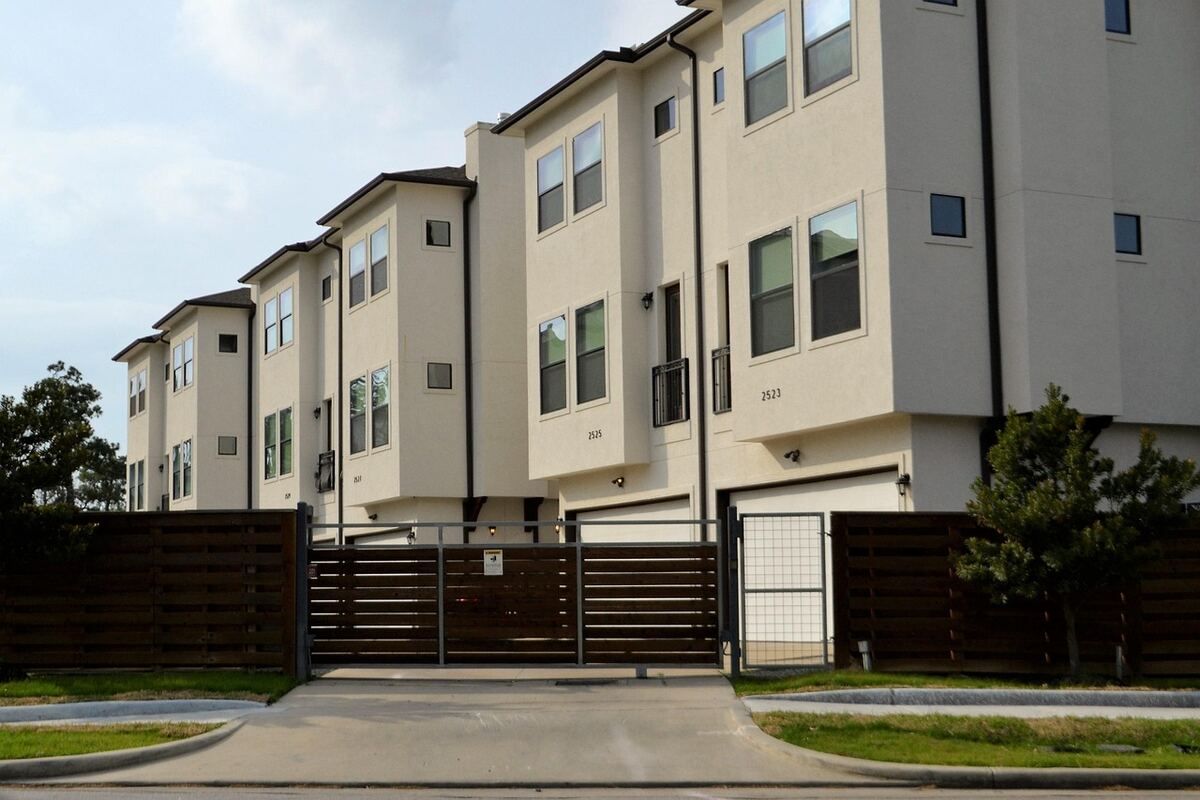
3-Bed Townhouse, Tauranga
$695k
Purchase price
5.2%
Gross yield
6.8%
5yr avg. growth
$690/wk
Rental income
Low Risk
New
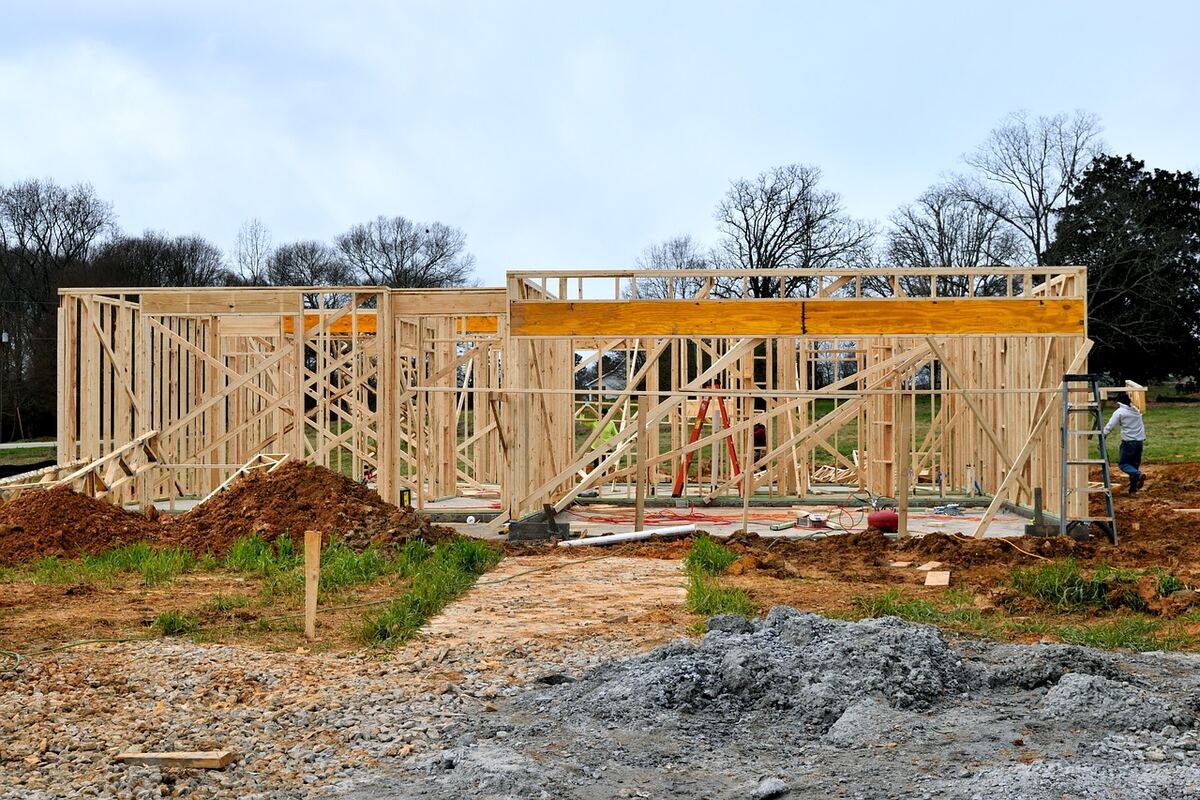
New Build Investment
2-Bed Apartment, Hamilton
$549k
Purchase price
5.8%
Gross yield
5.4%
5yr avg. growth
$610/wk
Rental income
Medium Risk
Coming Soon
More listings being vetted
We're currently reviewing several properties. Get notified when new listings go live.
Property Types
What type of property are you buying?
Each path has a different risk profile, financing structure, and return timeline. We model all five — so you know exactly what you're stepping into.
New Build Turnkey
Fixed-price, completed at settlement. Lower deposit requirement (often 10%), no construction risk, and eligible for new-build lending rules.
New Build
Construction Loan
Progressive drawdown during the build. More flexibility on specifications, but interest costs accrue during construction and valuations matter at each stage.
New Build
Existing R2R
Ready-to-rent existing property — tenant in place or immediately lettable. Cashflow from day one, no build risk, and a clear rent history to underwrite against.
Existing
Existing Renovation
Buying below market value and adding value through cosmetic or structural work. Requires renovation budget, contingency planning, and a clear post-reno valuation target.
Existing
Existing Subdivide
Purchasing a site with subdivision potential — splitting into two or more titles. Higher complexity, council process, and holding costs, but significant uplift if executed well.
Existing
Your Strategy
What's your investment goal?
Strategy determines how you structure the deal, what financing makes sense, and when you exit. We model the numbers differently depending on which path you're on.
01
Buy and Hold
Acquire, rent, and hold long-term. Returns come from capital growth and debt reduction over time. Best suited to high-growth areas with manageable weekly top-up. The most common path for first and second investment properties.
Buy undervalued, renovate or subdivide, sell at a higher price. Shorter hold period, faster realisation of profit, but subject to market timing, tax implications, and execution risk. Works well as an active income strategy alongside a hold portfolio.
Short holdActive incomeValue upliftTax-aware exit
03
Add Value & Re-lend
Renovate or subdivide to increase value, then refinance to pull out equity — without selling. Lets you unlock capital to fund the next acquisition while keeping the asset. Requires strong cashflow management and a lender comfortable with the strategy.
Most property advice is opinion. Ours is built on projections, mortgage data, and real market figures.
Mortgage Breakdown
Total interest paid, repayment schedule, rate sensitivity, and how extra repayments affect your timeline.
Long-Term Return Projections
5, 10, and 20-year value projections based on historical growth rates for the area, shown in today's dollars.
Equity Timeline
Exactly when you'll hit 20%, 30%, and 40% equity — and when you'll have enough to leverage into your next property.
Cash Flow & Yield
Weekly rental income vs costs. Gross and net yield. Whether the property pays for itself — and by how much.
Risk Assessment
Vacancy risk, interest rate sensitivity, market concentration, and liquidity — rated Low / Medium / High with clear explanation.
Mortgage Strategy
Which loan structure fits this property — interest only, P&I, fixed vs floating — and how to set it up for maximum flexibility.
The Fundamental Question
Will it appreciate more than it costs you?
Property investment works on one simple principle: the capital gain needs to exceed what you're putting in each year. Adjust the numbers and see where you stand.
Your numbers
Property Value$700,000
$300k$2m
Weekly Top-Up Needed$200/wk
$0/wk$800/wk
Annual Area Growth5%
1%12%
Annual Holding Cost
$10,400
$200/wk × 52 weeks — what comes out of your pocket each year
Annual Capital Gain
$35,000
5% growth on $700,000 — what the property adds in value
The math works — net gain of $24,600/yrCapital growth outpaces your holding cost. The property is building more wealth than it costs you to hold.
This is the fundamental test — not the whole picture. MMFG also looks at your deposit efficiency, lending structure, suburb growth drivers, and long-term equity position. Book a call to run your full numbers.
Start Here
Run the numbers on your property.
Tell us about the property you're looking at — or register interest in our pre-vetted listings. We'll be in touch within one business day.